


Stress and anxiety used to feel like an invisible “always-on” switch—digital overload, money pressure, responsibilities, and the constant drip of uncertainty.
When your nervous system stays stuck in high alert, everything feels louder: your thoughts, your body, your reactions.
Medications like benzodiazepines and SSRIs help some people, but many want options that don’t come with unwanted side effects or dependency concerns.
The good news: there are proven, drug-free ways to calm your nerves—and a faster, easier way to make relaxation feel accessible again.
Note: Always consult a healthcare professional before changing medications or adding herbs/supplements—especially if you’re pregnant, nursing, or managing a health condition.
Why “Just Relax” Doesn’t Work When Your Nervous System Is Overloaded
Anxiety isn’t a character flaw—it’s often a nervous system stuck in survival mode. Shallow breathing, tense shoulders, racing thoughts, poor sleep… these are signals your body is scanning for danger.
When that state becomes chronic, your calm (parasympathetic) settings get harder to access on command.
That’s why drug-free approaches can be so powerful: they don’t just “mask” symptoms—they train your system to return to safety more reliably.
📌 Key idea: Many fast-acting calming techniques work by activating your parasympathetic nervous system (“rest and digest”)—the internal switch that tells your brain and body, “You’re safe right now.”
What Real Calm Feels Like (And How People Get There)
“The best way to gain control over moments of panic is to learn to control your breath. It’s free, effective, and always accessible.”
— Dr. Emma Seppälä, Yale School of Management
🙂
“Box breathing is my emergency brake. Five minutes and I can actually think again.”
💬
“Grounding (5-4-3-2-1) helped me stop spiraling in meetings. It’s simple—and it works.”
⭐
“Once I supported my nervous system daily, my sleep improved—and my stress didn’t hijack my day anymore.”
And if you’ve ever tried a calming technique that worked… but couldn’t stick with it—this next part is the turning point.
Calm Becomes Reliable When You Make It Easier to Access
Most people don’t need “more willpower.” They need a system that helps their body shift states—quickly—especially when life is loud.
That’s why the best routines combine fast, in-the-moment tools with daily practices that build resilience.
What changed for many people isn’t the technique—it’s the consistency and the speed of relief.
- ✅ They used a fast reset when stress spikes (breath, grounding, cold exposure).
- ✅ They built a daily calm baseline (movement, mindfulness, nutrition, journaling).
- ✅ They removed friction—so calming down became automatic, not aspirational.
Feel Calm in Just 10 Minutes—Without Pills, Pressure, or “Trying Harder”
You can absolutely use the natural techniques below. But if you want an easier on-ramp—something that helps your body “downshift” even when your brain won’t stop—Sensate was built for exactly that.
It’s a sensory device that uses gentle vibrations and sound to help de-stress your nervous system in about 10 minutes.
- ✅ A quick, guided reset when stress spikes
- ✅ Supports breathwork, mindfulness, and relaxation routines
- ✅ Non-invasive, drug-free, and designed for daily use
Prefer natural-only first? Scroll for the full set of science-backed techniques.
10 Natural, Proven Ways to Calm Your Nerves
Each method below has been researched for its ability to reduce stress, regulate mood, and activate the body’s natural calming systems. Pick one “fast reset” and one “daily baseline” to start.
1) Deep Breathing & Box Breathing

Breathing patterns shape your autonomic nervous system. Rapid, shallow breaths signal danger; slow, intentional breaths help your body relax.
- Box breathing: inhale 4s → hold 4s → exhale 4s → hold 4s (repeat for ~5 minutes).
In stressful moments, this is one of the quickest ways to “tell” your system you’re safe.
2) Herbal Teas & Adaptogens
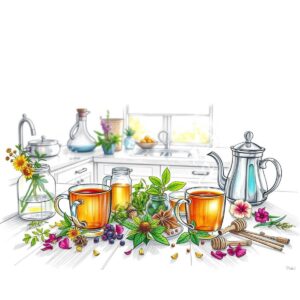
Herbal remedies have a long history—and some have supportive evidence for calming effects.
- Chamomile, lavender, and lemon balm are commonly used for their soothing properties.
- Adaptogens like ashwagandha and Rhodiola rosea may support your stress response (HPA axis).
Safety note: herbs can interact with medications—check with a clinician if unsure.
Research note: A 2019 study in Phytotherapy Research reported reduced stress/cortisol in participants using ashwagandha over 8 weeks.
3) Meditation & Mindfulness

Mindfulness meditation trains attention and present-moment awareness without judgment.
- Harvard Medical School research has noted measurable brain changes after 8 weeks of mindfulness training, including regions tied to emotion regulation.
- Beginner-friendly apps: Insight Timer, Calm, Headspace.
4) Exercise & Movement

Regular activity is one of the most effective natural stress relievers.
- Walking, yoga, and tai chi support mood and resilience.
- The APA notes consistent movement can reduce stress and improve long-term emotional resilience.
5) Grounding Techniques

Grounding pulls you out of racing thoughts and back into the physical world—anchoring you in the present.
Try the 5-4-3-2-1 method: Name 5 things you see, 4 you can touch, 3 you hear, 2 you smell, 1 you taste.
Other options include holding ice, splashing cold water on your face, or walking barefoot on grass (when safe).
6) Aromatherapy & Essential Oils

Scent connects directly to the limbic system (emotion and memory). Some people experience quick calming from lavender, bergamot, or sandalwood.
If you have sensitivities, start small and avoid direct skin contact unless properly diluted.
7) Nutrition for a Calm Mind

What you eat influences mood and stress response. Stabilizing blood sugar and supporting the gut-brain axis can make your baseline feel calmer.
- Magnesium-rich foods (leafy greens, nuts, seeds) support regulation.
- Probiotic-rich foods (yogurt, kefir) may support emotional stability through the gut-brain connection.
Research note: A 2022 study in Nutrients reported lower anxiety/depression rates among people following Mediterranean-style eating patterns versus Western diets.
8) Journaling & Expressive Writing

Putting thoughts on paper reduces mental clutter. Try prompts like: “What am I grateful for today?” or “What thoughts are keeping me stuck?”
9) Cold Showers & Vagus Nerve Activation
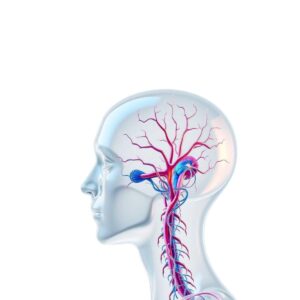
Cold exposure can stimulate the vagus nerve, supporting parasympathetic activation.
- Try 15–30 seconds at the end of a shower, or a brief cold-water face splash.
- Vagal tone is associated with emotional regulation and stress resilience.
10) Nature & Forest Bathing

Even a short walk outdoors can reduce stress and restore attention. The practice of shinrin-yoku (forest bathing) has been studied for effects on stress markers like cortisol.
If you can, aim for 20 minutes in a park—no “perfect” nature required.
Key Insights & Supporting Research (Quick Reference)
Order the Sensate Device Now
Sensate is a sensory device that uses vibrations and sound to help de-stress your nervous system—in about 10 minutes.
What’s included:
- ✅ Sensate Device
- ✅ Lanyard for easy wearing
- ✅ 1 Year Subscription to Sensate Plus
- ✅ Access to the Sensate app + soundscapes
What is Sensate Plus? Gain access to all soundscapes for a fully immersive experience.
2 Plus Pack Sensate: Includes 2× devices (individually packaged) + 2× lanyards.
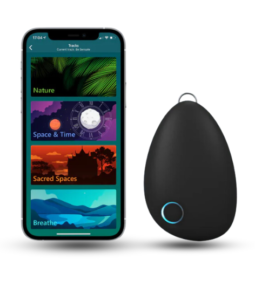
Tip: Pair Sensate with breathwork or mindfulness for an even smoother downshift.
“Adaptogens help balance your adrenal system, which in turn regulates the body’s stress response.”
— Dr. Josh Axe, Clinical Nutritionist
How to Use This Page (So You Actually Feel Better)
If you’re overwhelmed, don’t try all 10 techniques. Use this simple sequence: one fast reset + one daily baseline + one support tool to make it easy to stay consistent.
- ✅ Fast reset (1–5 minutes): box breathing or 5-4-3-2-1 grounding
- ✅ Daily baseline (10–20 minutes): movement, mindfulness, journaling, or a nature walk
- ✅ Make it easier: use Sensate for a guided, sensory “downshift” when you need it most
The goal isn’t perfection. It’s creating a reliable pathway back to calm—again and again—until it becomes your new normal.
Frequently Asked Questions
What are the fastest ways to calm your nerves naturally?
Deep breathing, cold exposure, and grounding techniques can calm your nervous system in minutes.
Can natural methods replace anxiety medication?
In mild to moderate cases, sometimes. Always consult your healthcare provider before altering any medication plan.
How often should I practice these techniques to see results?
Daily practice yields the best results. Consistency—even 10–15 minutes a day—builds lasting resilience.
Are there risks with herbal remedies or aromatherapy?
Yes—some herbs interact with medications and some oils can trigger sensitivities. Research and consult a professional if needed.
Case Studies & Real-Life Examples
Case Study: Sarah’s Journey with Anxiety & Meditation
Sarah, a 35-year-old marketing executive, struggled with work-related anxiety. After 30 days of mindfulness and journaling, she reported
improved sleep, better focus, and fewer panic episodes—without medication.
Example: Grounding Techniques in the Workplace
At a tech startup, employees used 5-4-3-2-1 grounding during high-pressure meetings. After 3 months, HR reported fewer stress-related sick days and improved morale.
Next Steps: Integrate Calm Into Your Life
Start small—then stack wins. Here’s a simple week-one plan:
- ✅ Try box breathing for 5 minutes before bed or a stressful event.
- ✅ Swap afternoon coffee for lemon balm tea to support a calmer baseline.
- ✅ Use a mindfulness app for one 10-minute session daily.
- ✅ Start a gratitude journal (3 things each evening).
- ✅ Spend 20 minutes outdoors daily—even a local park counts.
Ready for Calm You Can Access on Demand?
You can build resilience with the natural methods above—but when you need a quicker downshift, Sensate helps you step out of stress and into steady, grounded calm.
No hype—just a simple, drug-free way to support your nervous system when life gets intense.